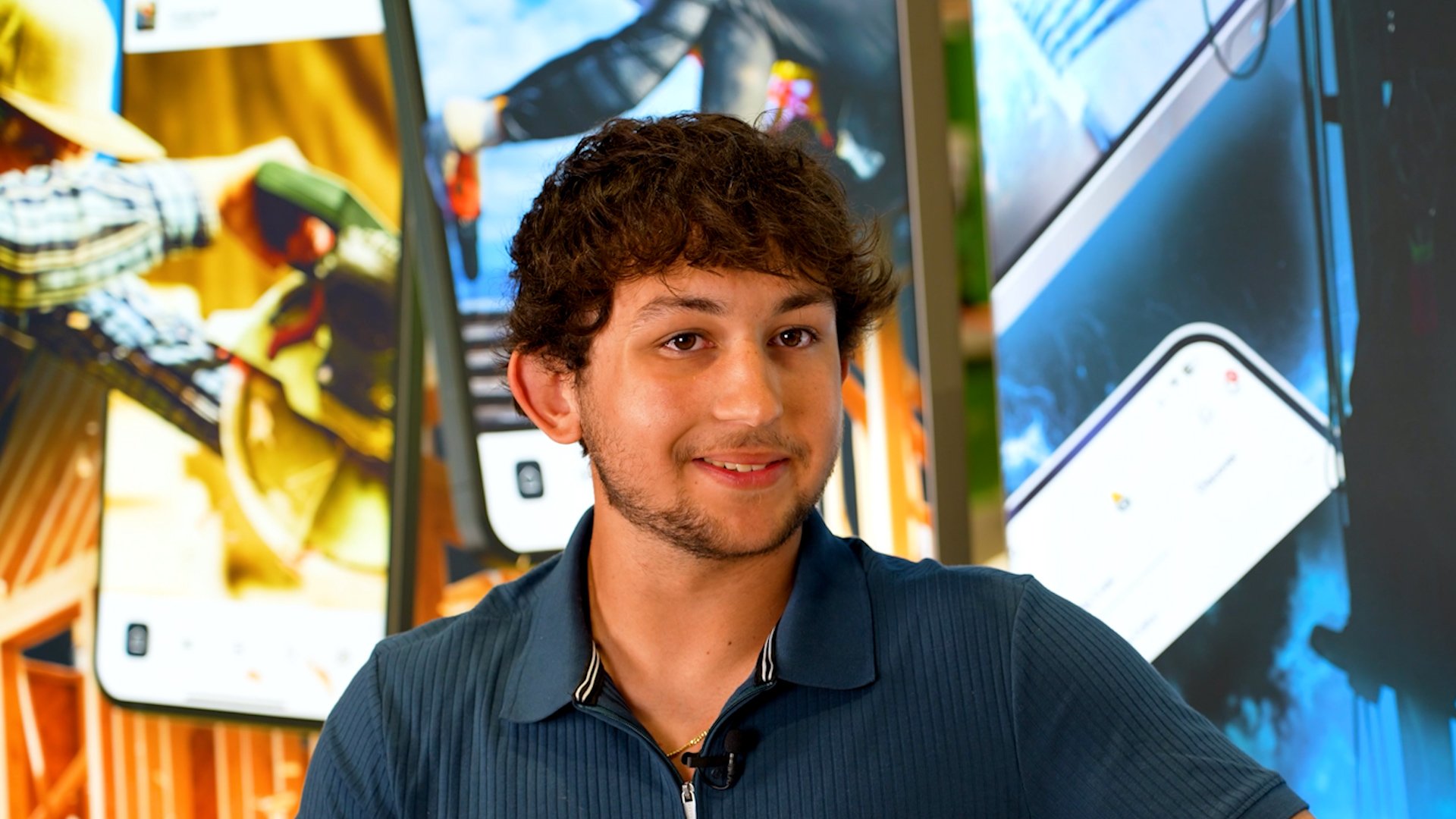
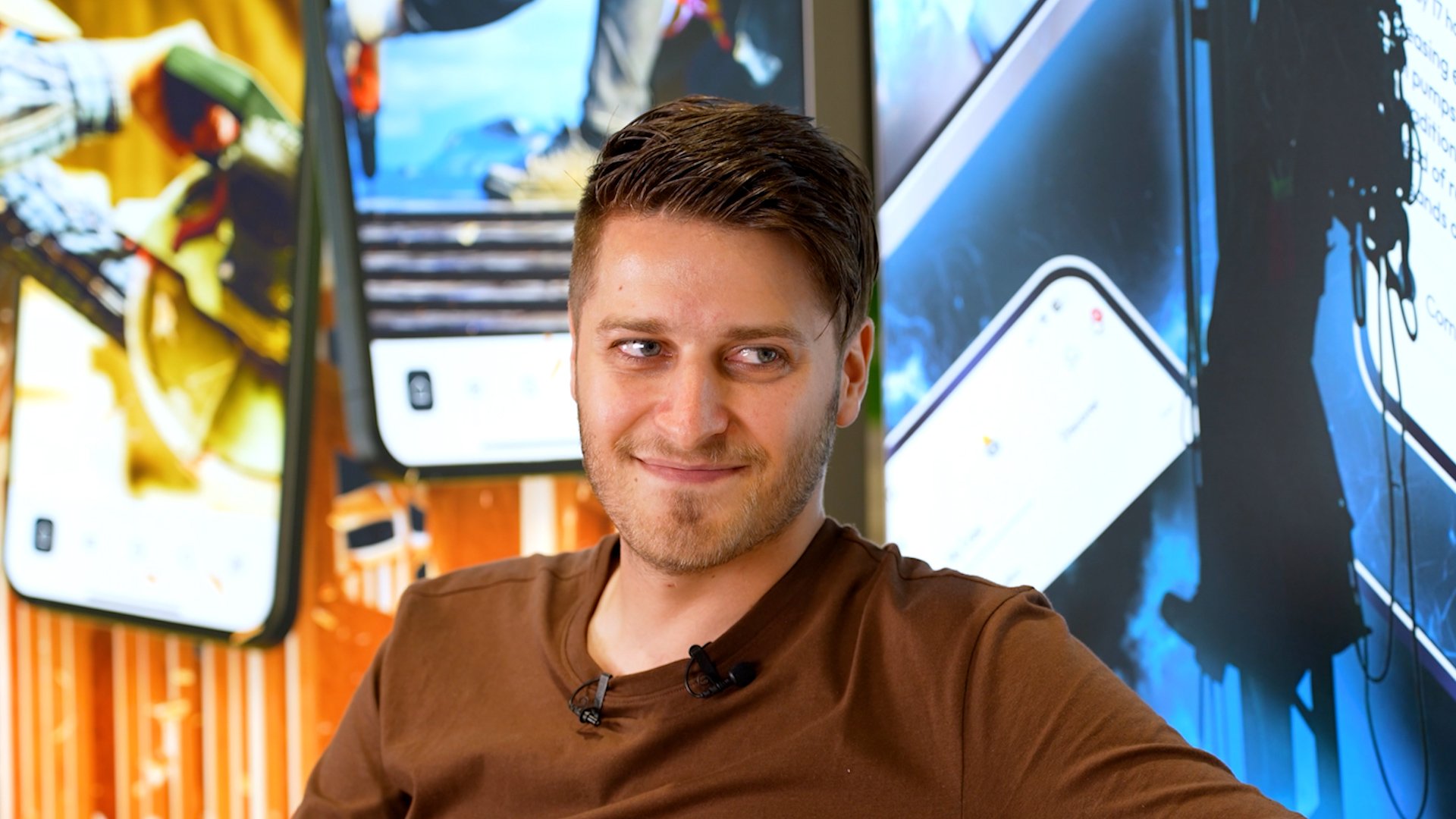
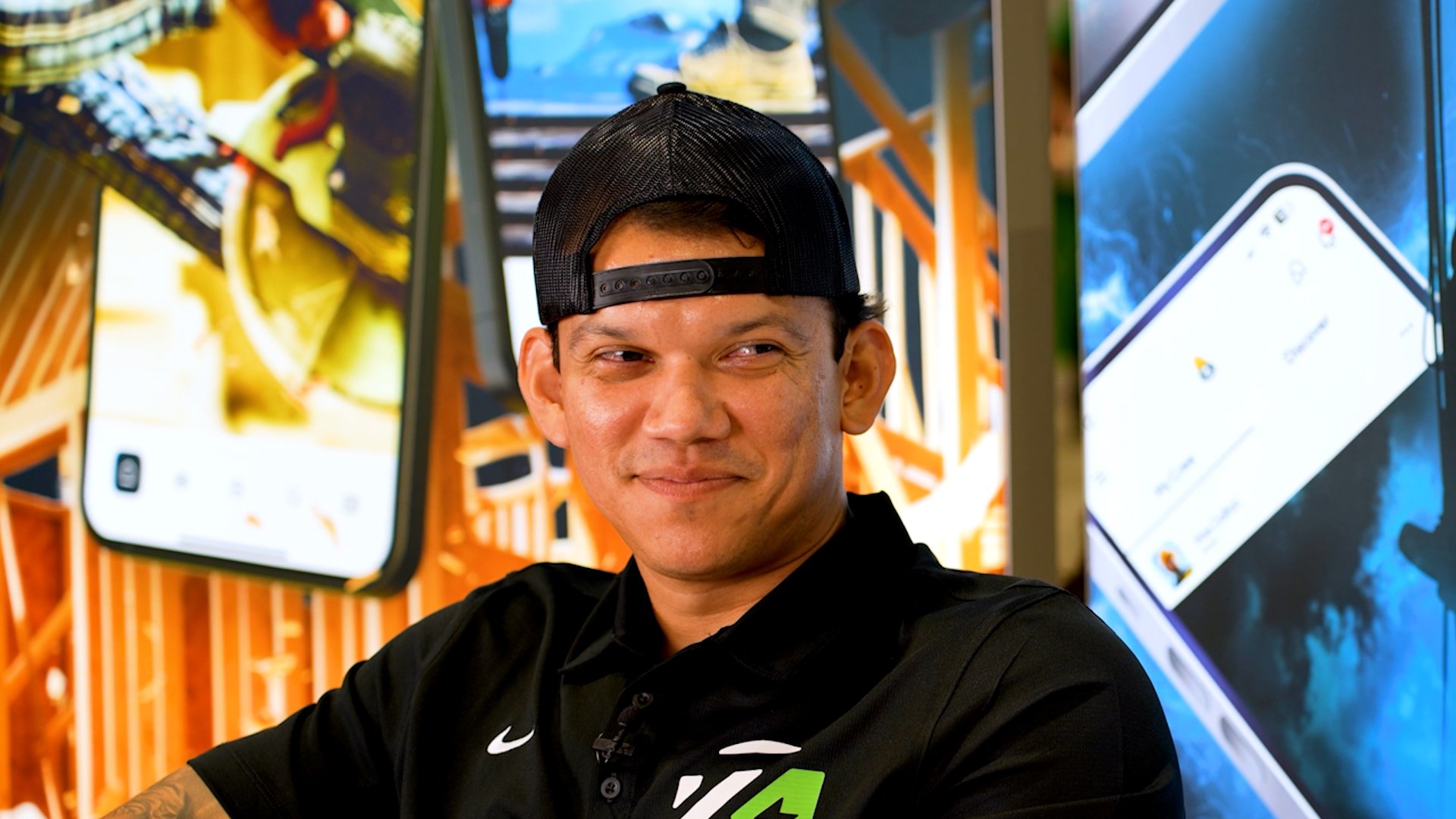
Who Is Mad Electrician? Stephen Madrosen on Life as an Electrical Influencer.

Trade Hounds
Electricians are increasingly using social media to share jobsite knowledge, document their work, and help others get into the skilled trades. One of those voices is Stephen Madrosen, better known as Mad Electrician.
Stephen is a working foreman and union electrician who has built a strong following by posting practical, apprenticeship-focused content. His videos and posts are aimed at helping new electricians figure out training, interviews, and what day-to-day life in the trade actually looks like.
Trade Hounds VP of Marketing Jeanette Abrahamsen sat down with Stephen at NECA to talk about how he got started creating content, what it’s like balancing that with full-time electrical work, and how technology and workforce shortages are shaping the electrical industry.
What is it like being an electrical influencer while working full-time as an electrician?
The electrical influencer community is awesome. This is something that I've been talking about with a bunch of other content creators. There are so many great people who are giving good, solid advice within this community.
Like you said, I have my full-time job. I'm a foreman. When I get home from work, it's a sacrifice—not just for me, but also for my wife and my kids—because I still want to make sure that I'm creating content to help the electrical community.
I also find a lot of satisfaction in it and enjoy it too. At times, it's almost like having two full-time jobs. Occasionally, I give myself a little bit of a break.
How did you build a following as an electrician content creator?
The way this all started out for me was when I was getting into the apprenticeship myself. I got in with the IBEW, and there wasn't a lot of information on how to get in on the union side of things.
I naturally started making content for friends who were asking me questions like, "How do I get into the trade? How do I interview well? What does this whole process look like?" So I started posting that content online, really just for them. But it turned out that a lot of other people were looking for that content too, not just my friends and family.
It was a completely organic thing. It started out kind of slow, but over time it grew. The type of content I was making was very niche, but for the people who were looking for it, it was exactly what they needed. I think that really helped me grow over time. Once I had a lot of content out, the growth became pretty rapid.
Does teaching electrical topics on social media come naturally to you?
It really doesn't come naturally to me. When I plan my videos, I spend a lot of time on the front end writing out a script. A lot of what I say is pre-planned.
Having that assurance of, "Hey, I know what I'm talking about because I've thought through this whole video," gives me confidence when I'm actually creating the content. Maybe that's where the confidence and teaching style come from.
At this point, it's probably a little more natural, but it wasn't in the beginning. I had to really figure out my process and get to that point. But I love creating this content.
It's fun having people come up and say, "Hey, I wasn't sure what I wanted to do with my life, but I found your videos, and now I'm a third- or fourth-year apprentice."
They'll tell me it's completely changed the trajectory of their life, and I love that. I love helping people find what they want to do. I was in the same boat.
When I realized how great being an electrician is, how much money you can make, the benefits, and how great it is for your family, it really felt like I found the needle in the haystack. Now I just want to preach that to the world.
How can we solve the electrician and skilled trades workforce shortage?
Word of mouth is always a great way to spread awareness. We've talked about this before, but there are a lot more people getting into content creation for the trades.
What I would want to say to anybody reading this is that if this is something you're passionate about, there is definitely a need for more tradespeople. That need is growing, and it's only going to continue growing over time.
My wife and I were talking about this the other day after seeing a commercial for a four-year college. There are a lot of careers where you absolutely need a degree. If you want to be a doctor, a veterinarian, or a software engineer, you need a college degree.
My concern is with the rapid progression of AI and technology. I don't want to make predictions, but the direction I see things going is that some jobs will eventually become obsolete or easier to replace.
I think the blue-collar trades are much less susceptible to that. Most of our work is hands-on, often in unique and unpredictable environments. It's going to be a while before that can be replaced.
I actually think we'll eventually see a lot of people running toward the trades. My advice to anybody who wants to get into the trades or finds them interesting is to get in now.
How is technology transforming the electrical industry?
Well, I recently partnered with Siemens. They have the Siemens Intelli-Arc, and that is a really cool example of exactly what you're talking about.
As technology evolves, we have so many more options readily available to us. The Intelli-Arc is so cool because you can plug this thing into the wall and walk away. Then, if the circuit breaker trips because of a nuisance-tripping issue, you can come back, and you don't have to be there in person to see what caused it. You can unplug the device, pull up the diagnostics on your phone, and see exactly what caused the issue.
That's just one example of how technology is helping us so much more as tradespeople. Maybe this is stereotyping a little bit, but I think some people from older generations have a bit of a pushback against the progression of tools and all the advancements that make things easier for electricians, plumbers, or whatever trade you're in.
But it's awesome if you're open to it. You can look at it and say, "Sure, maybe I don't have to think as hard when I'm using this tool," but it's making my life easier. It's making me more productive, which in turn is making me more money and making my company more money.
I think people should be more open to advancements in technology and all the tools that come with them.
What advice would you give women considering a career as an electrician?
I've worked alongside plenty of women who have been incredible electricians. In fact, I'm a union electrician out of Portland, Oregon, and I think our ratio of women to men is actually higher than a lot of places.
I would say: don't be intimidated. If this is something you want to do, don't be intimidated because it's not just a job for men.
There are plenty of great female electrician content creators and women creating content across different trades as well. There are challenges that they've talked about. I've seen influencers like Lex the Electrician and Karly the Sparky talk about them. But what I also see is that they absolutely love their jobs.
If this is something you're interested in, look to them and see how awesome this career can be and what a great life it can provide.
There will occasionally be people who want to push back on that, and shame on them. They have no right to do that. For all the men in the trades, we need to stand up for women who are getting talked down to because it's uncalled for. There's absolutely no reason for that in the trades.
I have seen a trajectory of more women getting into the trades, and I think we can all do our part to spread awareness.
Final Thoughts
Stephen’s perspective highlights how social media is shaping the way electricians learn, work, and connect. As more electricians step into content creation and knowledge-sharing, voices like his are helping bridge the gap between experienced tradespeople and the next generation entering the field.
Want to hear more? Watch the full conversation between Trade Hounds VP of Marketing Jeanette Abrahamsen and Mad Electrician below.