
Bridging the Skill Gap: How Siemens Educates America is Shaping the Future of Electrical Training

Trade Hounds
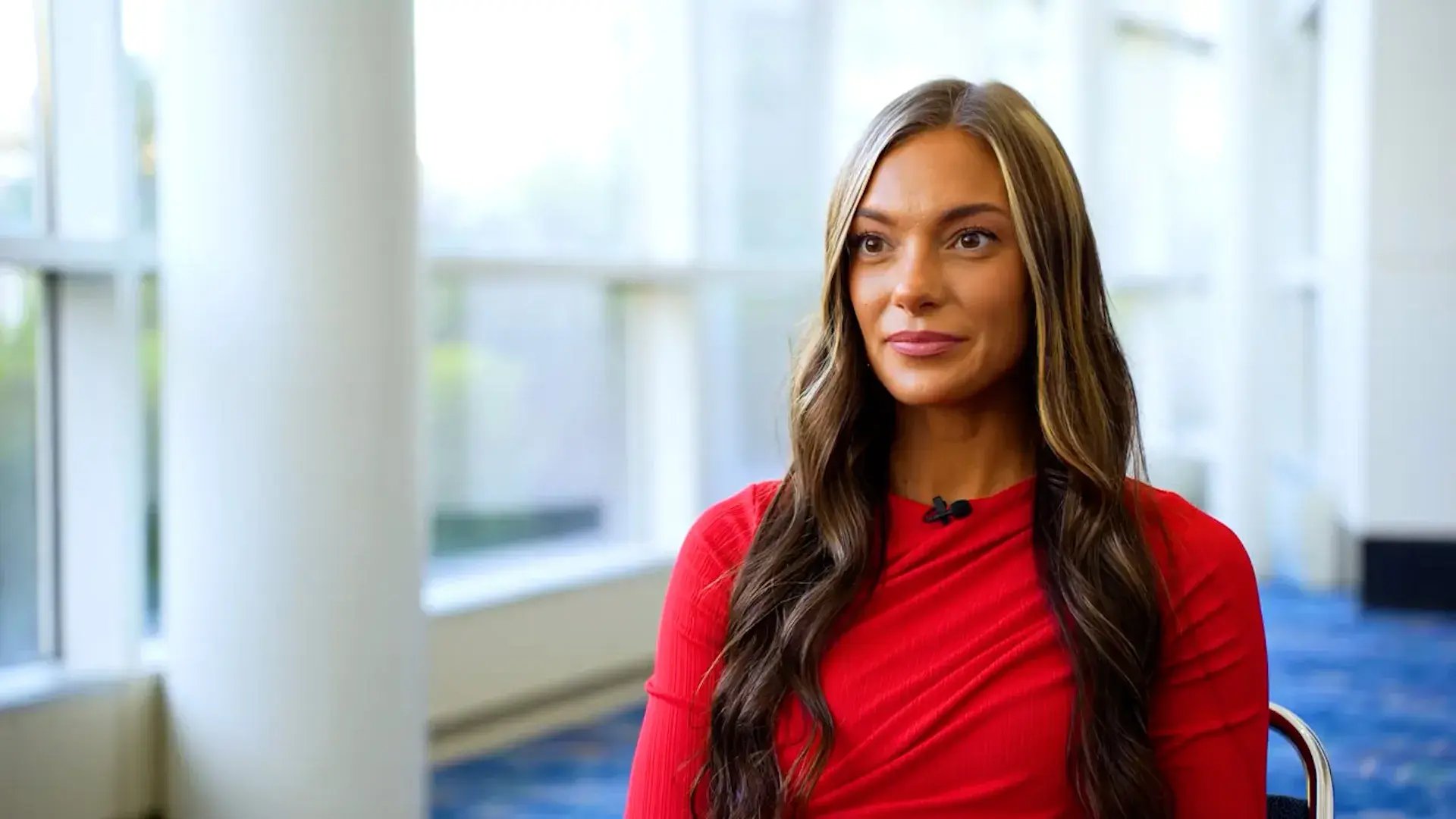
The skilled trades are facing a critical workforce challenge—one that’s only growing as experienced electricians retire and electrical demand continues to transform the industry. Trade Hounds sat down with Maddie Everhardt, Business Development for Construction Technology at Siemens, to discuss the Siemens Educates America program. This conversation dives into how the program supports workforce development and the role of cutting-edge technology in training and recruitment.
In this Q&A, Maddie shares how Siemens is making training more accessible and interactive, helping to ensure that skilled workers are ready to meet the demands of the future.
Can you tell us about your role at Siemens and what you focus on?
I am the Business Development for Construction Technology at Siemens. One of my primary focuses is managing the Siemens Educates America program. It is a workforce development program where we connect with apprenticeship organizations, trade schools, and support their electrical training programs.
Why is workforce development such a critical issue right now in the electrical industry?
A few drivers are behind it. One being electrification, another being the integration of technology into equipment. It hasn't been an opportunity that is prevalent and pushed as much as other opportunities or career paths.
When we look at the statistics, for every 10,000 electricians that retire, only 7,000 are coming in. That's giving us a deficit. We really look to provide clarity to this next generation of how wonderful of an opportunity it is for their career, their lives, and try to support it as much as possible.
With over half of electricians expected to retire in the next decade, what are some of the trends in the industry that we need to pay attention to?
We take electricity for granted. Before I started working for Siemens, it wasn't something I thought about on a day-to-day basis. To put it into perspective, if half of the electricians that we currently have are no longer working in the field, what happens when your power goes out, and it's Thanksgiving, and you have all your family over? You call your local company, and it's going to be three weeks or four weeks.
That's a very small-scale example, but then you work it up into something more critical, like healthcare. If someone is hooked up to a lifesaving machine, you don't want to be in a situation where that skilled technician is not available.
With retirement, they call it the silver wave. You have people retiring from manufacturing organizations, distributorships, and the skilled trades themselves. So, how are we replacing those valuable positions throughout the value chain? What are we doing to attract that new talent in as the tenured knowledge leaves to go enjoy the rest of their lives?
The average age of an electrician is 54; depending on where you get your data, it may be 58 in some cases. That's close to retirement. We want to make sure we're resupplying the workforce and making sure that there are individuals to come into those spots, but also capturing that knowledge that's walking out the door. So there needs to be some type of layover, so as this generation that's looking to retire is headed out, we have the new generation there learning from these individuals so that we can capture that and retain that knowledge that they've grown over their careers.
You’ve been working with Siemens Educates America—can you describe what the program does and how it supports workforce development?
Some of our wonderful partners, like NECA and Electri, support us in these efforts. We look to go and connect with actual training facilities, whether they're training apprentices, high school students, or college students. We provide products for hands-on training in their labs, but we also like to supplement that with digital training.
Another trend that's prevalent right now is XR, AI, AR—all of these different hot topics we hear. This next generation—they grew up with devices in their hands. They use them every day for school, just like we do. I'm on my phone all the time. How do we put the content that we're trying to teach and show ot to these individuals in the format that they're most comfortable with?
We don't want them to feel like they're coming out of their day-to-day lifestyle habits when they go to the career. We want it to be seamless. And so that's where we look to provide support through the program.
How is the program adapting to the expectations of younger learners who are used to digital and interactive content?
We're so used to instant gratification or instant feedback. It's just ingrained in us with how we use our mobile devices day-to-day. So we've created an application called Pneuma. This app not only takes your technical documentation for products, so your spec sheets, your wiring diagrams, the important documentation that an electrician would need, but it also marries it with the immersive content.
So we're saying, "Hey, you can come in, you can do an XR course, you can get engaged, build your confidence quietly, but then once you're actually in the lab, that information is there as well." We look to create a holistic environment where, from your mobile device, from your tablet, your desktop computer, your VR headset, you can get all of the information you would need to do your work.
For those unfamiliar, what does XR or extended reality actually mean in training?
Extended reality, meaning you can do your course in virtual reality with a headset. You can be fully immersed. You can't see anything around you. If you’ve seem the videos of people running into walls, that's how most people think about VR.
With extended reality, we're taking it a step further. I think this really helps with the accessibility and the adoption of this type of training. Saying, "Hey, you no longer can only do this in a VR headset. You can now do it on a multitude of devices." Whether it's your desktop computer, your tablet, your phone, you can do the same course. A good way to look at that is you're extending the access, the capabilities.
With the adoption part of it, I understand not everyone loves to put on a VR headset. Some people, it may make them dizzy, or they're not comfortable with it. Being able to provide the content in a multitude of different ways, it really helps it. I think it makes people feel that we're listening to the feedback we're getting. We understand VR is not for everyone, but we can take that same course and make it accessible how they would like to learn.
How do you design training for apprentices who start with immersive XR headsets but might also need to apply that learning in the field, using other devices or quick references?
Not everyone is going to want to open up a textbook or a catalog and learn that way. We also have to consider who we are trying to train. How does their mind work? Most of them probably have a hands-on learning style.
Engineering or skilled trades are hands-on work. How do we match how they work in the training environment? How do we provide hands-on training for hands-on workers? I think that really helps bridge the gap from “I'm just getting started” to “I'm feeling confident in the task at hand.”
With new technology like XR and the Apple Vision Pro, how is Siemens Educates America using immersive and interactive tools to help recruit and engage younger people in the electrical trades?
Thankfully, we have some great partners, EducationXR being one of them. That's how we are enabled to build XR content and publish it across multiple devices. That's a really big step in the right direction when we talk about recruitment.
Ten years ago, if you wanted to show someone an XR training course or any type of training course for electrical work, where would that have been available? You might be able to find something on YouTube, you might have a fun game. Today, it’s able to be published by a manufacturer and we can provide that to, feasibly, anybody.
I have a lot of customers who have actually shown it to their children. When I was a kid, I would've never been introduced to the industry at that age, but now we can start introducing this wonderful career path to people whenever they have a device.
You don't have to have access to a lab. You don't have to have access to this computing machine. You can do it on your mobile device that most everyone has. You don't even have to be somewhere physically. Maybe you don't have transportation, which is a big thing we do see. Transportation is an issue. So how do we get the training in their hands? How do we give them that same lab-like experience without them physically having to commute somewhere?
Can you describe how Siemens Educates America helps students safely interact with real electrical equipment and also support schools that might not have the resources to provide all the necessary training panels?
That's something that's really near and dear to my heart. Through the program, we have 74 partners. We have 36 labs installed across the US, and I think that's something that's really valuable to our partners. We're not trying to replace what you're doing. We're not trying to say that lab training should be out. That's, in my opinion, the most crucial aspect of training electricians—actually being face-to-face with an instructor. We're looking to supplement and support those efforts.
We do everything from residential labs to motor control center labs. We provide the product. We like to go out when it's arriving and make sure that the instructors know how to work the equipment. And then the apprentices will actually get to do hands-on.
Seeing them see a new lab is one of the coolest parts of the job. You see the 10, 20 rows of them, and you can see students in each one working diligently; that's one of the best parts about the program. Seeing them come in and be ready to do the hands-on, and they're not doubting themselves because they've already walked through it five times virtually.
What role does Apple Vision Pro and spatial computing play in the program?
The Apple Vision Pro device is which is so impactful when we're talking about these recruiting events. The spatial computing technology is the latest innovation that we have introduced to electrical training.
Our partners at BILT have 3D intelligent instructions that can be used with that device, and it's very impactful for the hands-on training aspect because, with the spatial computing, you can see everything around you. They're completely hands-free, and they can actually do a side-by-side installation or assembly while they're guided with the BILT 3D intelligent instructions. So I think this is going to be pivotal—this technology, this hardware, and the future of electrical training.
Final Thoughts
Workforce development in the electrical industry isn’t just about filling positions—it’s about preparing skilled professionals for a rapidly changing landscape. Through Siemens Educates America, apprentices gain access to hands-on labs, immersive XR experiences, and digital tools that make learning interactive and engaging.
As Maddie highlights, programs like this not only bridge the knowledge gap left by retiring electricians but also spark interest in the trades by meeting learners where they are. Siemens is shaping the future of electrical training, ensuring that the next generation of electricians enters the workforce confident, capable, and ready to power a rapidly evolving world.
Immersive Electrical Training with Apple Vision Pro
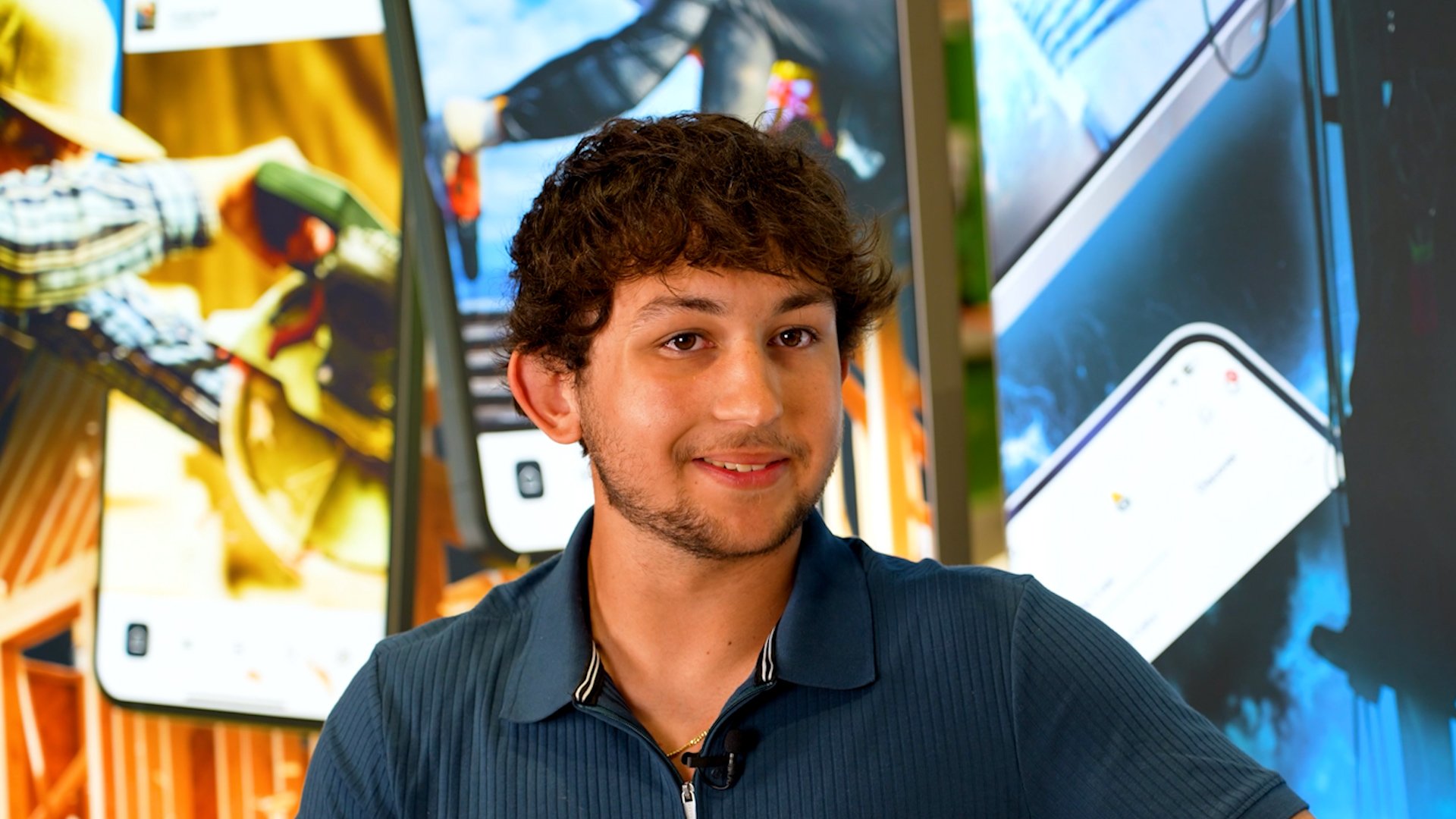
In collaboration with Siemens, BILT, and Apple Vision Pro, Trade Hounds interviewed an electrical apprentice from the Independent Electrical Contractors school in Dallas about his experience using an XR headset for training and workforce development.
Watch the Full Interview with Maddie Everhardt
Catch the complete conversation with Maddie Everhardt as she shares insights on Siemens Educates America, workforce development, and the future of electrical training.