
B2B Storytelling for Manufacturers and Distributors: How to Break Through the Noise

Trade Hounds
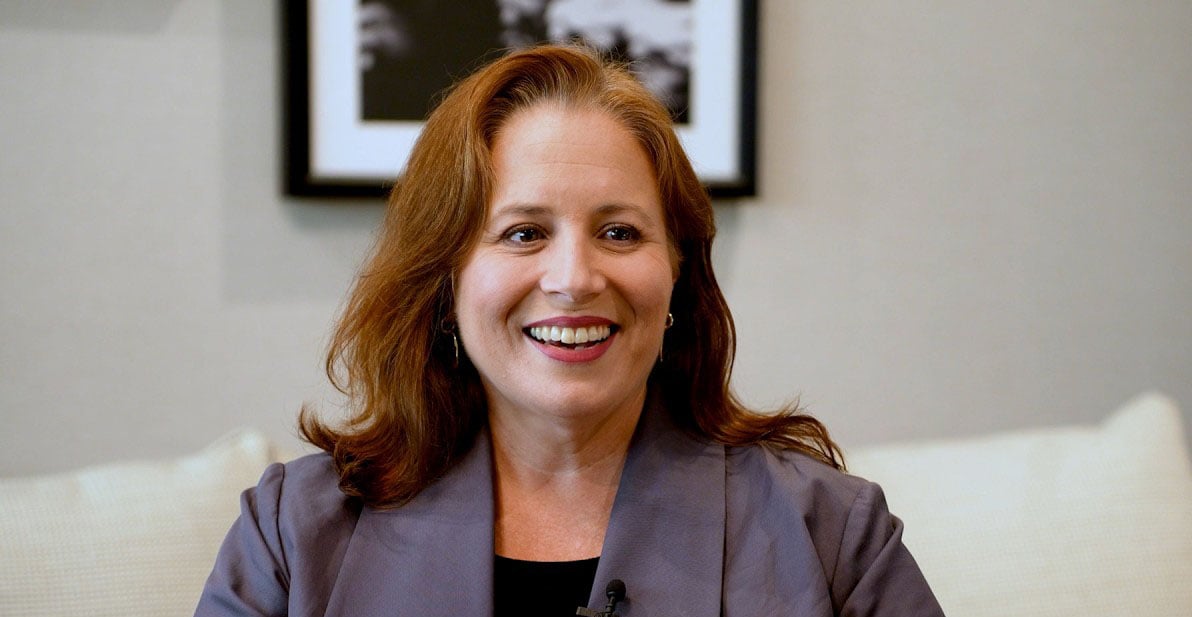
At the NAED Marketing Summit in San Antonio, Trade Hounds sat down with speaker and storytelling strategist Mary Czarnecki to talk about a topic that doesn’t always get the spotlight in B2B marketing: storytelling.
In industries built on technical specs, product data, and performance metrics, storytelling can feel secondary— a nice-to-have, but not essential. Mary disagrees.
Her message to marketers in manufacturing and distribution? Storytelling isn’t fluff; it’s strategy.
Why “More” Marketing Isn’t Working
B2B marketers are under constant pressure to produce more—more emails, more social posts, more product information. But Mary says that approach often misses the mark.
“One of the things that I'm sharing first and foremost is that storytelling can give us an advantage where just more information, more specs, more features, just doesn't break through,” shares Mary.
In highly technical industries, detailed spec sheets and feature lists are table stakes. They’re necessary—but they’re not differentiators.
“One thing that we're talking about is how and when to use stories in place of just more information to create better connections with our audiences.”
The Emotional Reality of B2B Buying
It’s easy to assume that B2B buying decisions are purely rational. But research tells a different story.
Mary shared findings from Forrester and Google showing that B2B buyers often have more at stake than B2C consumers. Their decisions impact careers, reputations, and company performance.
“B2B buyers tend to make safe bets. They're making defensive decisions,” says Mary. “They're also more personally invested in the decisions they're making, which is why it's so important for B2B marketers… to actually be communicating on a personal level the value that they can bring, not just the product they’re selling.”
In other words, buyers aren’t just evaluating features; they’re evaluating whether they trust your brand.
What Strategic Storytelling Actually Means
When many companies hear “storytelling,” they think of their origin story.
“A lot of times when I first bring it up to people, they'll say, oh yeah, we have our brand story on our website,” Mary said. “We started in 1813 and our founder did this.”
But that’s not what she’s talking about.
“The stories that I see actually making a difference for people are real in-the-moment stories.”
Mary explains the stories that move buyers forward have:
- A specific moment of transformation
- An emotional component
- Details that feel human and relatable
It’s about helping someone shift from thinking, “This is just one more distributor or one more manufacturer,” to “This is someone who understands what I’m dealing with.”
“When we get them to lean in and tell me more, we win.”
Start With the Business Challenge
Storytelling isn’t random. It should always serve a goal.
“We're using these stories for a business goal,” Mary explained. “So we start with the business challenge first.”
If the challenge is differentiation—especially in a market where everyone claims they have the best product or great service—then the story needs to show what that product or service actually looks like in action.
“So now we know what the problem is… we have to help people understand what this means for [our business] versus the other person who's saying exactly the same thing.”
That means identifying a specific customer experience that can highlight the difference.
“It’s no longer just lip service; it's an actual moment of transformation where we created a difference in someone's business or someone's experience based on the way we do service.”
It’s important to find a specific moment, not just a generalization.
The Recipe for a Great B2B Story
To make storytelling practical, Mary breaks it down into what she calls a recipe.
It has three parts:
- The before
- The moment of shift
- The after
“But that's just your recipe, and any recipe is just as good as the ingredients that you put into it.”
She outlined the three ingredients each part must include:
- Relevant detail
- Emotion
- A real character
“It has to have the relevant details that your audience is going to recognize and relate to. It has to have some kind of emotional component, and it then has to have a real character.”
That character is the hero of the story—the person experiencing the transformation.
For marketers, this framework simplifies the process. Start with the business challenge and what the story needs to communicate. Then, structure the story around this approach.
Ask Better Questions, Get Better Stories
Even the best customer won’t automatically deliver a powerful testimonial. It’s the interviewer’s job to draw it out.
Mary recommends structuring interview questions around the three-part story:
Before:
- What were you dealing with?
- Why was it so important to make a change now?
- Why were you looking for a new manufacturer or distributor?
- What was the need that you had that was going unmet?
The Moment:
- When did you find us?
- How did you find us?
- What was that trigger moment for you?
After:
- How would you describe what it feels like now?
- What are you able to do in your business now that you couldn’t before?
- How did this have a positive impact on your end customers?
When you align your questions with the story structure, “then you're getting the ingredients that you need to put into the story.”
She also emphasizes something many marketers overlook when it comes to interviews: silence.
“There is an element of shutting your mouth, because as marketers, we are too close to our product and service.”
Instead of filling the gaps or steering answers toward polished language, she encourages curiosity and patience.
“It's embracing that power of the pause, even when it feels hard.”
Simple prompts like:
- “Tell me more about that.”
- “Why was that important?”
- “Could you say that a different way?”
…can uncover the emotional details that make a story resonate.
Why Story Matters in B2B
If there’s one misconception Mary wants to eliminate, it’s that storytelling is only for consumer brands.
“What we see is that B2B buyers want to see personal connection. They're looking for people to tell them why you're different, not just that you are different.”
Her advice is simple:
“Tell me the story behind the feature, the fact, the process, the service level. Give me an example so that I can see myself in that story.”
In a market full of competing spec sheets, the brands that stand out aren’t always the ones with the longest feature list. They’re the ones that help buyers see themselves in the outcome.
That starts with a story.
🎥 Watch the full conversation and learn how to use storytelling to influence B2B buyers and differentiate your brand.
About Trade Hounds
Trade Hounds is America’s largest and most engaged community built exclusively for skilled tradespeople. With hundreds of thousands of users across construction, electrical, plumbing, HVAC, welding, and more, the platform helps workers showcase their skills, share jobsite insights, connect with employers, and access critical resources that support their careers. Trade Hounds is committed to elevating and empowering the trades workforce through technology, community, and opportunity.